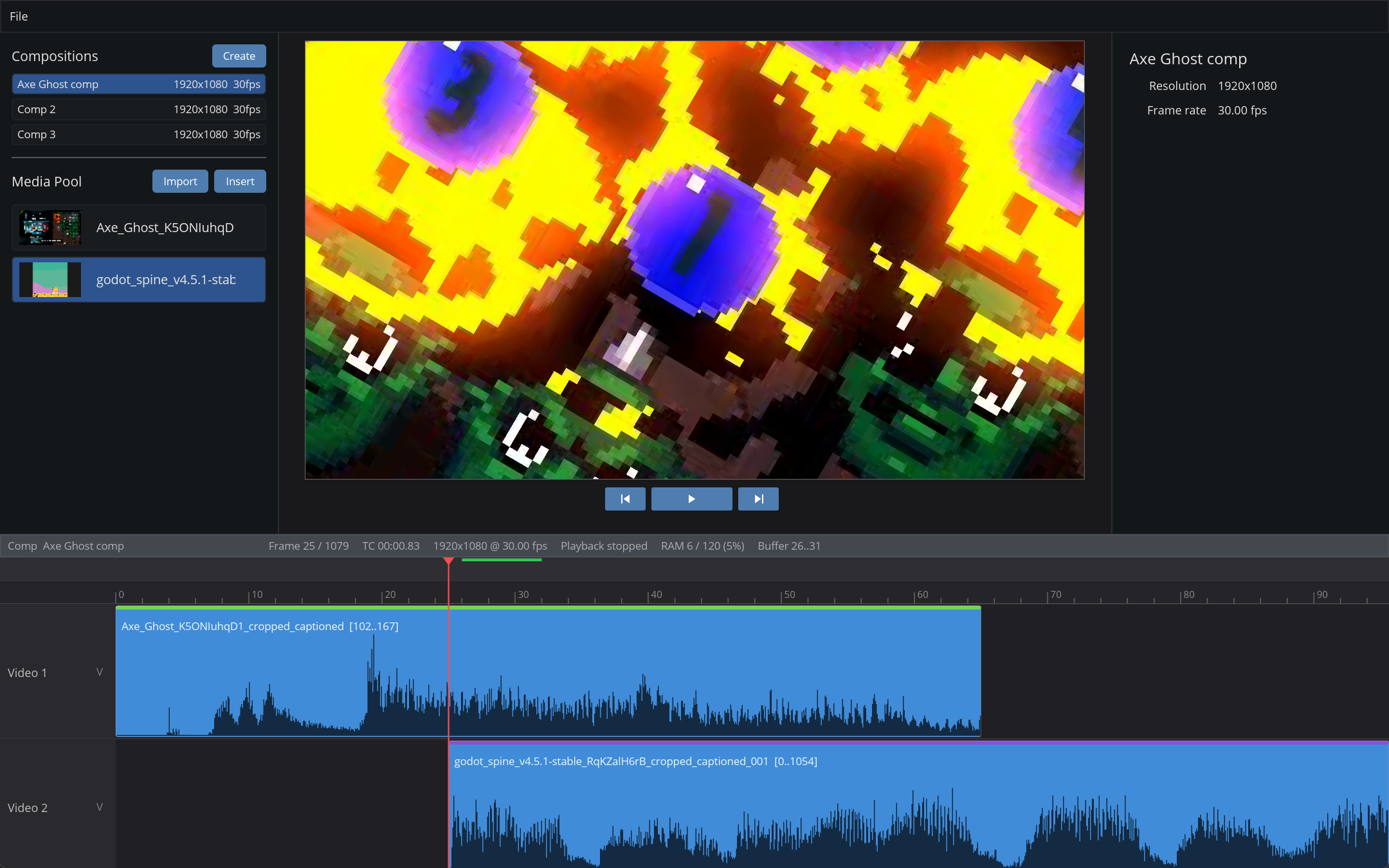
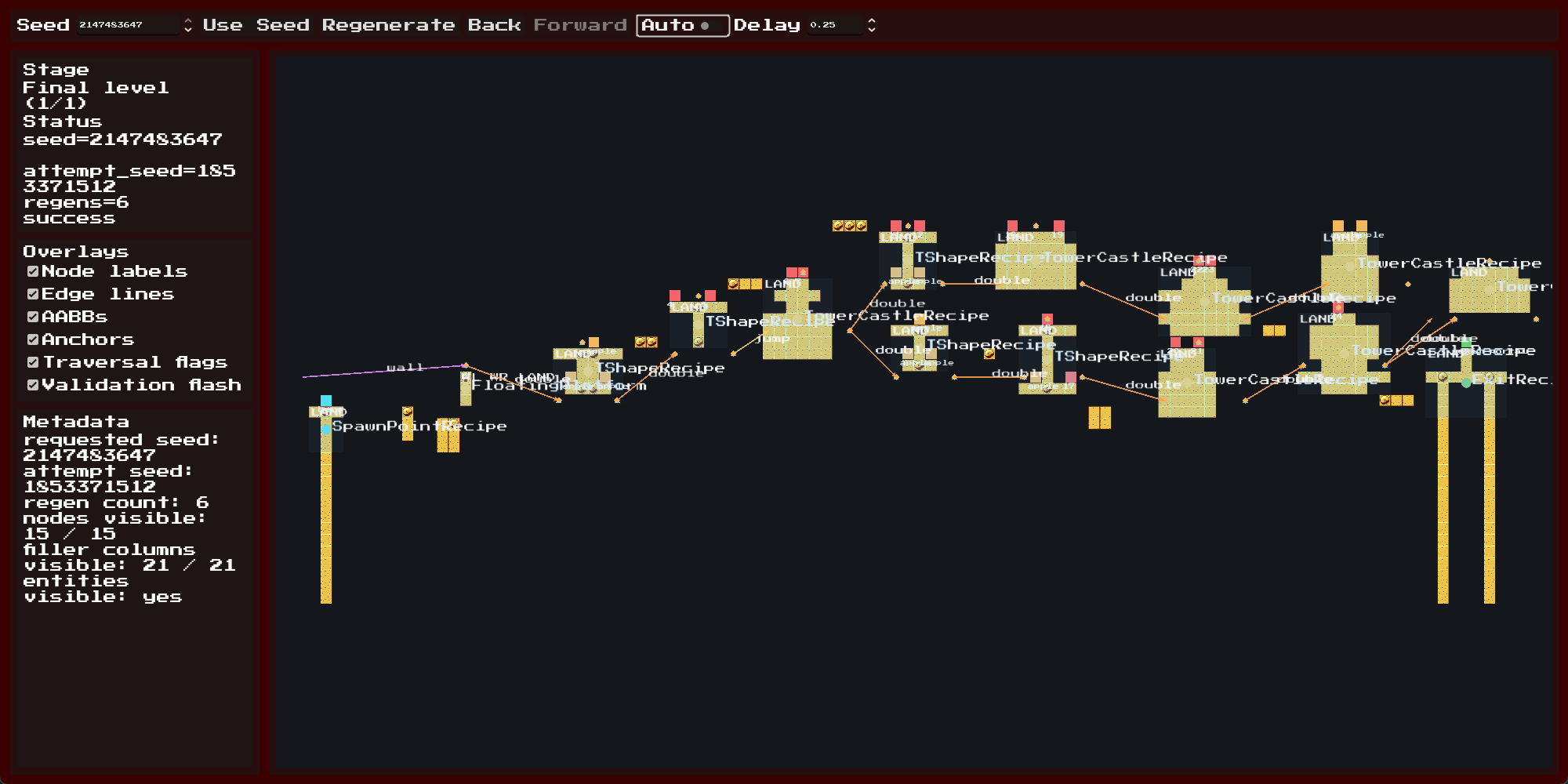
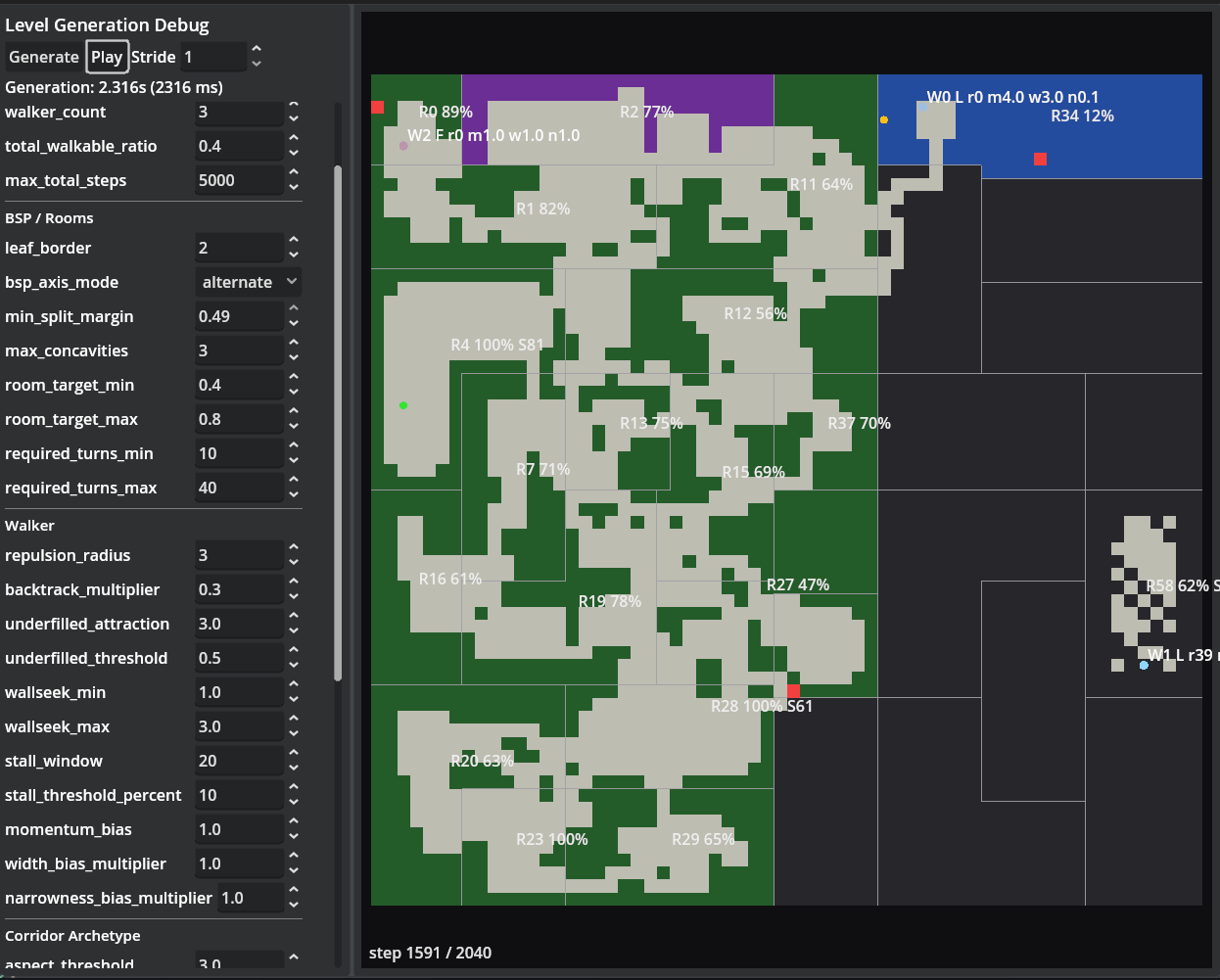
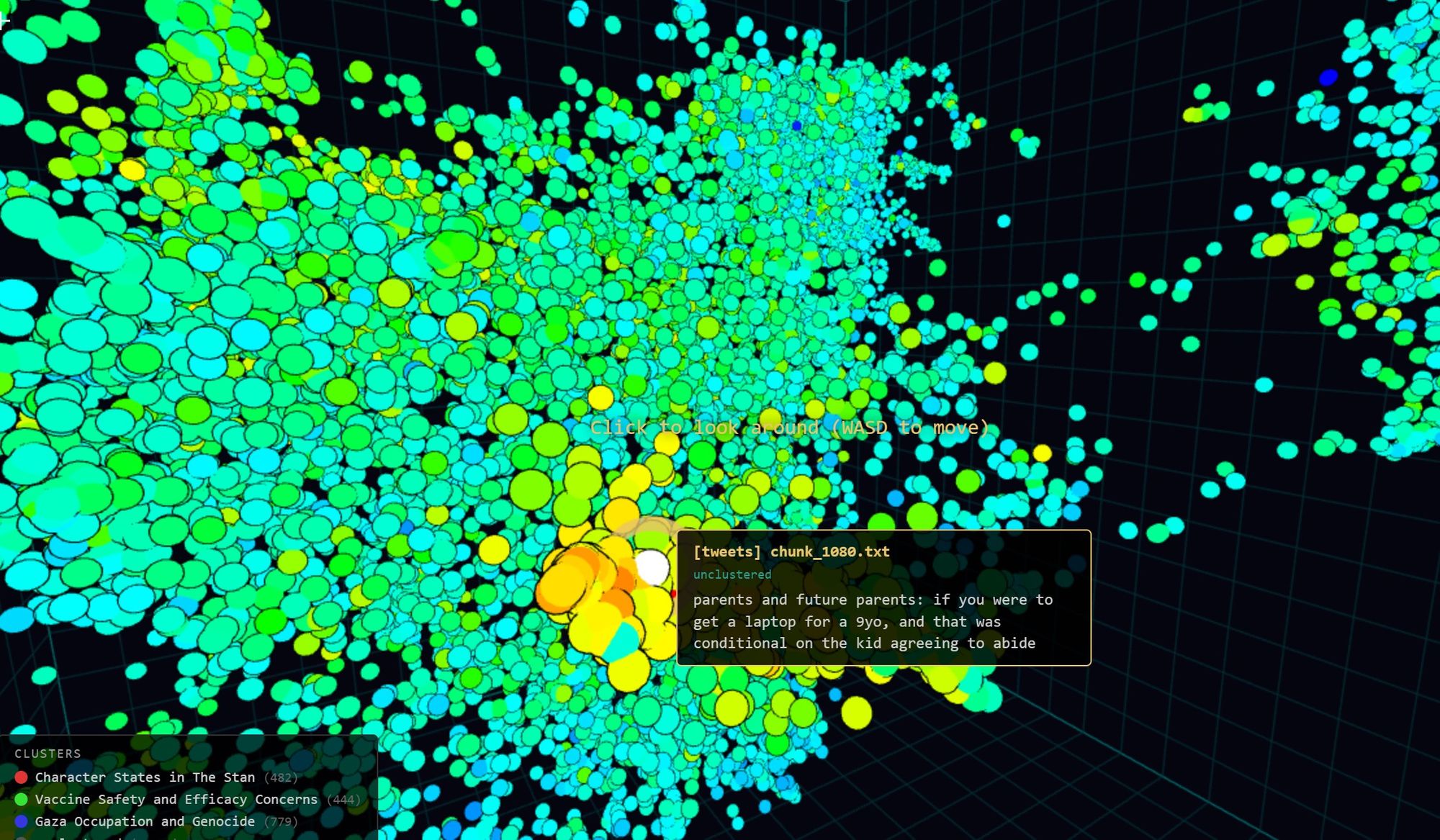
I completed 4.5 game prototypes, 3 web tools, and 2 video editors in 73 active days. Based on prior experience, comparable output without AI would have taken 8–10 months. Equivalent quality—matching the actual architecture and test coverage—would likely exceed 12 months. I base this estimate on the experience I have of making web and video game projects over the last 20 years. The estimate implies that my Q1 work for 2026 used at least 30% less energy than the same work would have done without LLM assistance.
If your reaction to the counterfactual estimate is "Why should I trust this guess from a stranger?" then 1. I suspect you haven't done much work with current LLM tools yet, because this isn't an outlier in productivity gains estimates and 2. fair enough! The without-AI timeline is inherently subjective, I can't conclusively demonstrate to you that I know my work well enough to give a reasonable estimate and that I'm being honest.
Here's a different approach: pick your own productivity increase factor.
The only way the AI-energy-economy conclusion reverses is if the projects would genuinely have taken 3 to 4 months without AI rather than 8 to 10. I hope you can agree that this is hard to square with my testimony combined with the fact that millions like me are seeing enough value to pay monthly for access to LLM agents.
Example Projects
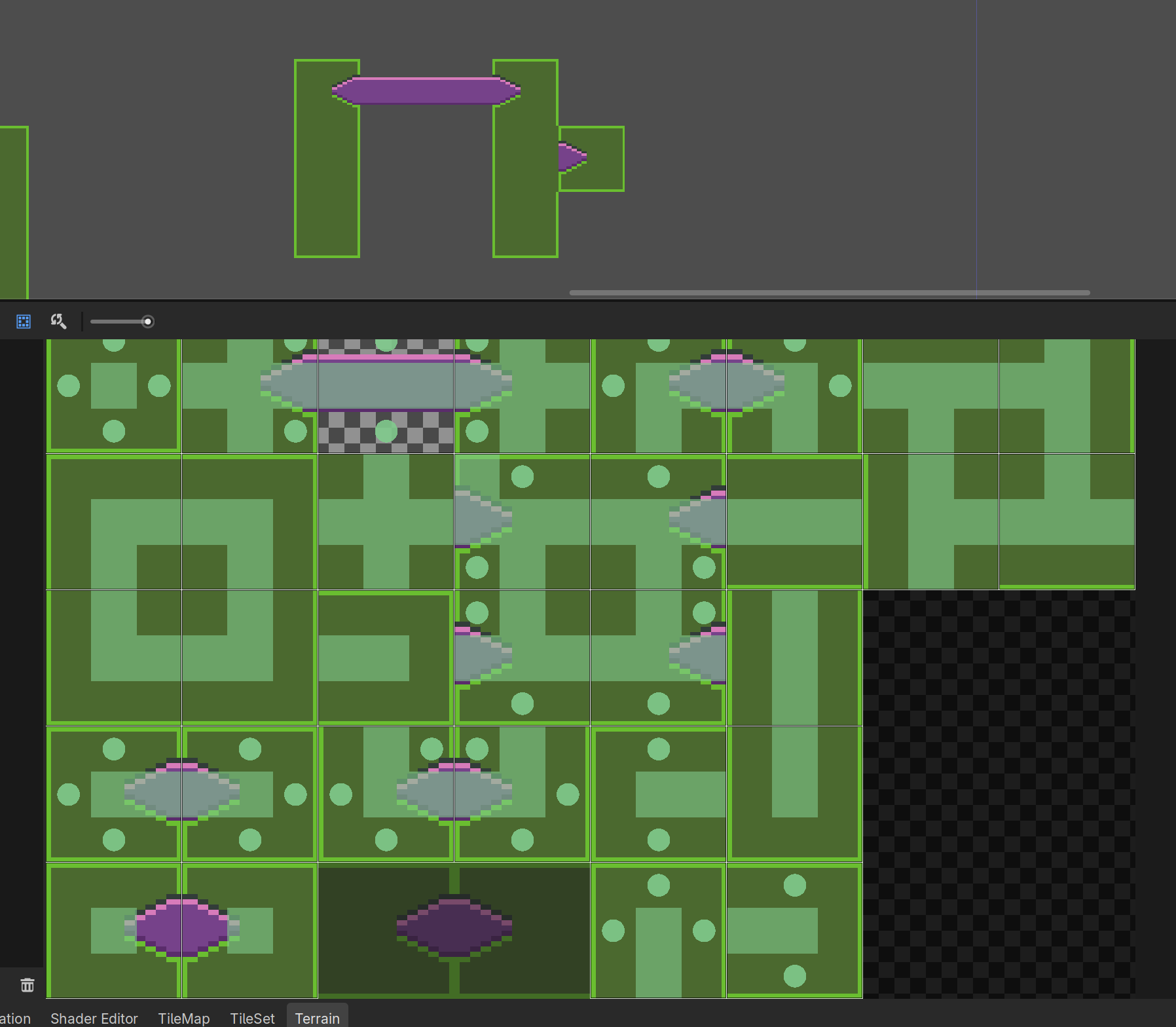
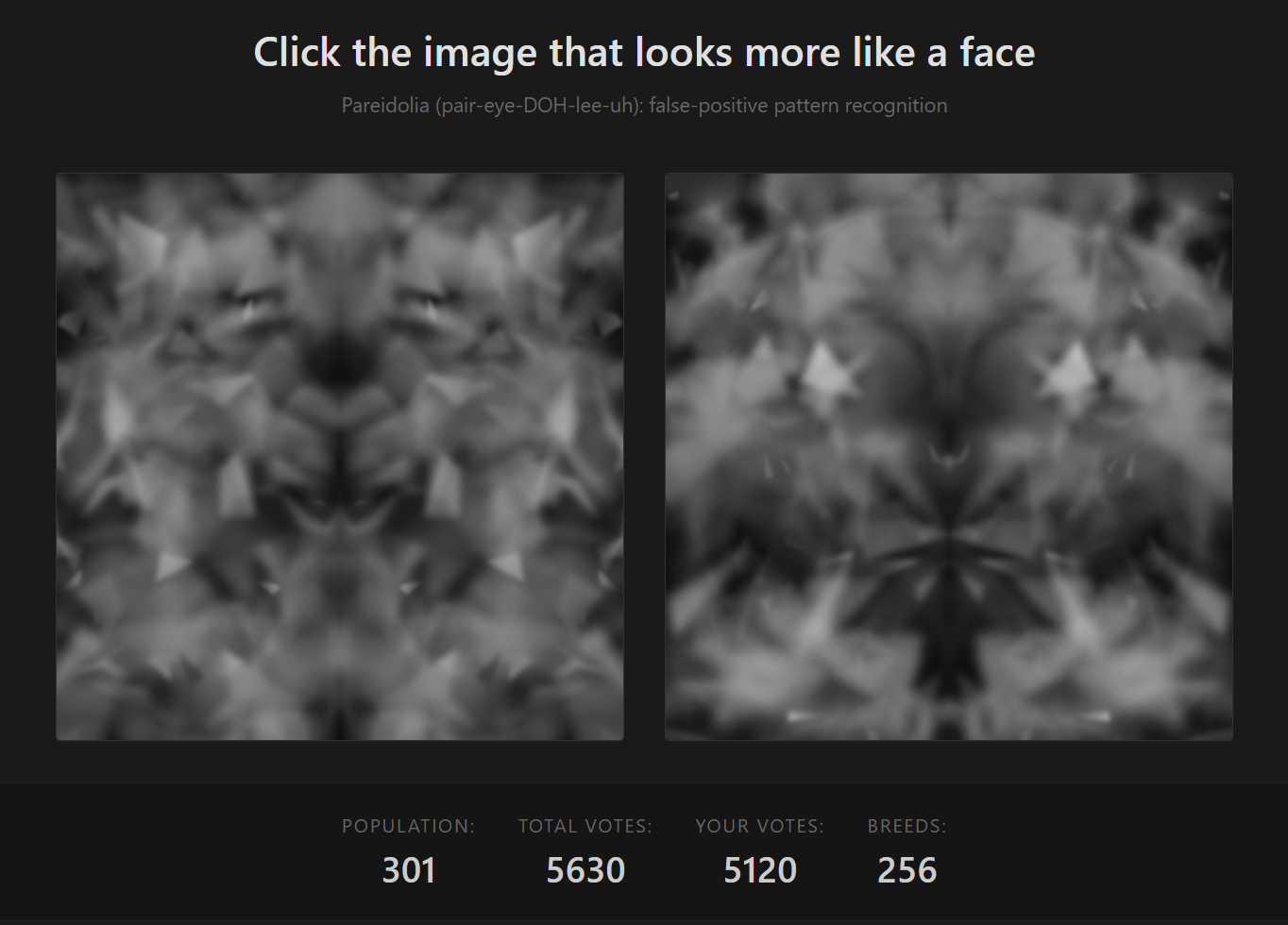
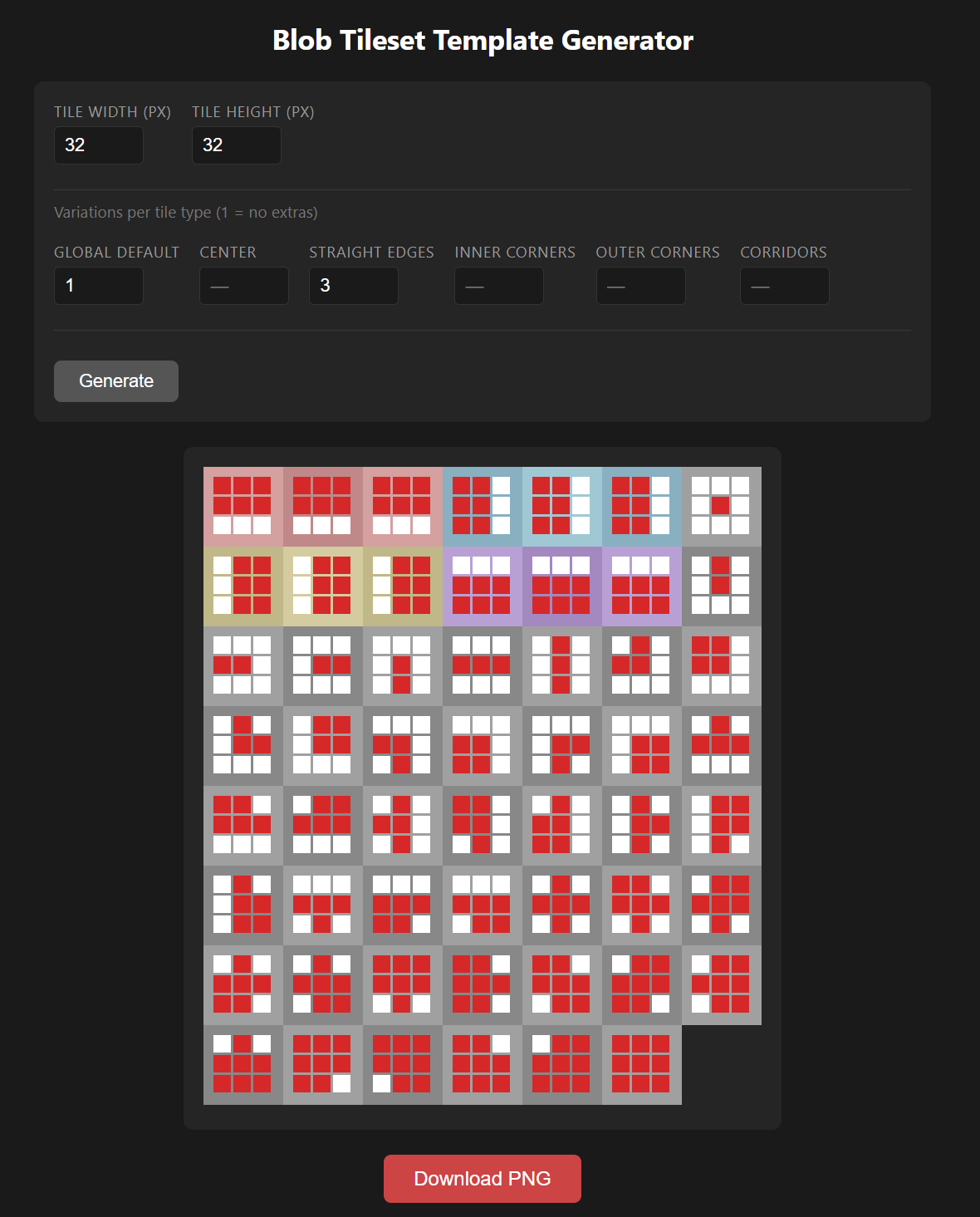
One of the Q1 projects was a complex game prototype that was half completed at the start of 2026. Based on my experience developing Axe Ghost, a game with some similarities, I estimate that unassisted, the full prototype would have taken about ten months; the half I finished in 2026 would have consumed five months on its own. Another project was a reimplementation of an old web experiment, FaceMaker, based on crowd-sourced artificial selection. The first time around it cost me about two months. If I had reimplemented it by hand, with everything I learned the first time, I might have been done in three weeks. The AI-assisted reimplementation took two days. These two projects alone would have exceeded Q1.
Energy Use
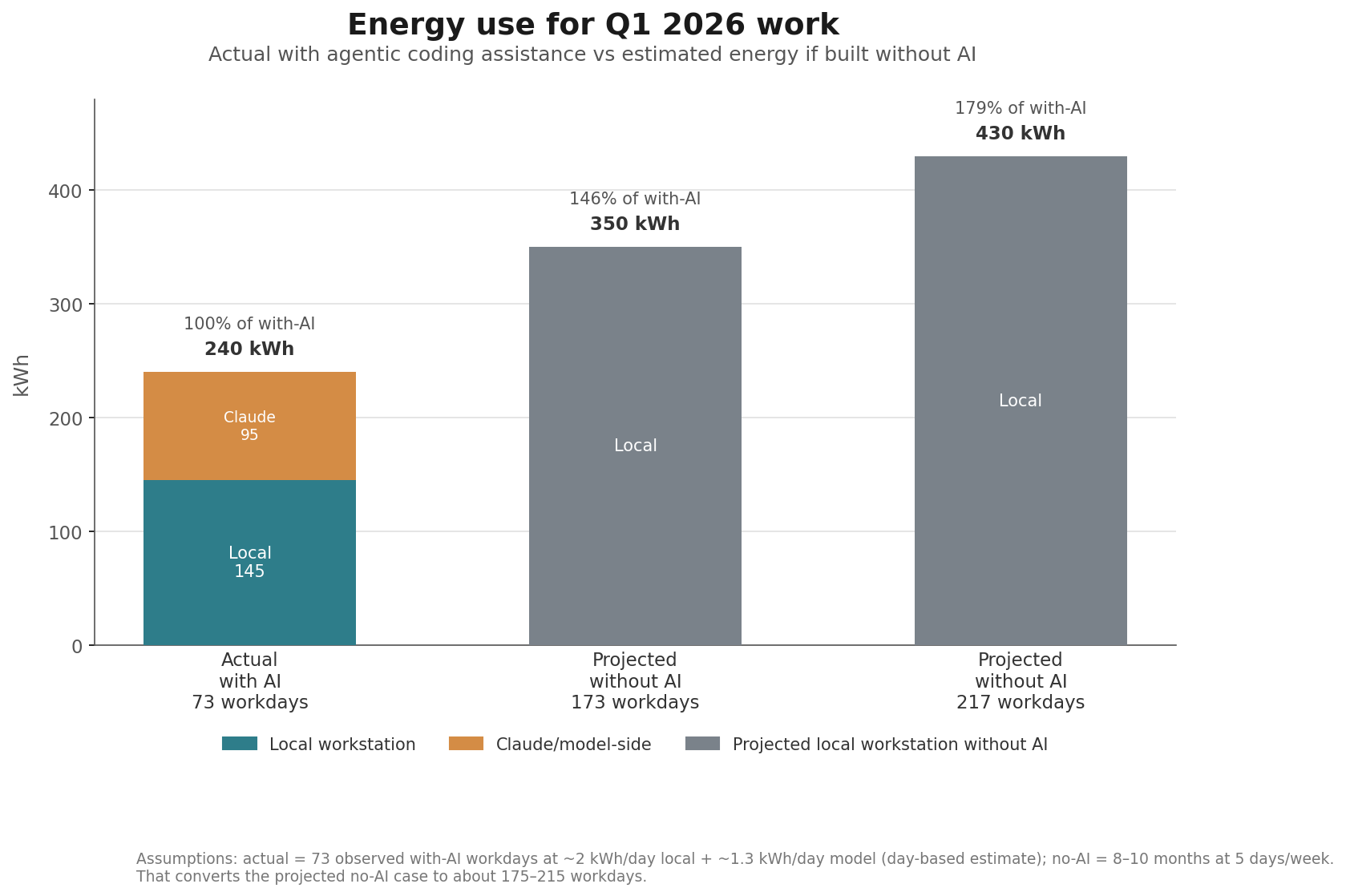
The most defensible with-AI figure is day-based: 73 active days at ~2 kWh/day local workstation energy, plus 73 days of model energy at Simon Couch's median daily rate of 1.3 kWh/day. This avoids token-level energy weights entirely.
| Component | Energy |
|---|---|
| Local workstation (~2 kWh × 73 days) | ~145 kWh |
| Model energy (~1.3 kWh × 73 days) | ~95 kWh |
| Total, day-based estimate | ~240 kWh |
A token-weighted estimate using Couch's category-specific weights gives a lower total:
| Token type | Count | Energy |
|---|---|---|
| Input | 613,172 | ~0 kWh |
| Output | 706,652 | ~1 kWh |
| Cache creation | 34,434,928 | ~17 kWh |
| Cache reads | 441,891,742 | ~17 kWh |
| Claude total | ~35 kWh |
With local energy: ~145 kWh + ~35 kWh = ~180 kWh. I treat this as a speculative lower bound, not a more precise figure.
For the without-AI case: 8–10 months at 5 days/week ≈ 175–215 workdays, or ~350–430 kWh.
| Scenario | Energy |
|---|---|
| With AI, day-based estimate | ~240 kWh |
| With AI, token-weighted lower bound | ~180 kWh |
| Without AI, 8 months | ~350 kWh |
| Without AI, 10 months | ~430 kWh |
Caveats
Model energy. Couch's cache weights are extrapolated from Anthropic's sparse disclosures. Cache operations drive roughly 96% of the token-weighted model total. Given current disclosure quality, the model total could plausibly range from ~10 kWh to ~100 kWh. The day-based estimate (~95 kWh) sits at the high end of that range and is the more reliable anchor because it does not depend on cache weights.
Counterfactual time. The 8–10 month estimate reflects superficially similar output. The true no-AI baseline would likely be higher, not lower, because the counterfactual has no AI assisting with architecture, refactoring, and test coverage.
Workstation intensity. The 2 kWh/day figure is a midpoint drawn from component power estimates (laptop ~90–180 W, monitor ~33–75 W in typical use). A longer solo project might land above or below that midpoint depending on build/test intensity and research overhead.
Active days. The 73 with-AI days are any day with at least one logged Claude request, not necessarily full 8-hour sessions. The 175–215 no-AI days are estimated standard workdays. Both figures are uncertain: the with-AI local total could be lower if many sessions were short, while the no-AI total could be higher if a longer timeline involved more overhead.
Scope
This comparison is about energy, not carbon. Grid intensity varies by location (~300–400 gCO₂/kWh in the Netherlands), and Anthropic's data center energy mix is not disclosed. A carbon comparison could flip depending on where inference runs.
Method Notes
Workstation sources: Samsung energy sheet (33W SDR, 104W HDR), Tom's Hardware (75W at 200 nits), Notebookcheck Legion measurements (~150–230W under load).
Read more? All articles
I create videos with the help of my patrons great and small.
Find out more about supporting my work.
Would you like to get emails now and then when I publish new things? Leave your address here.